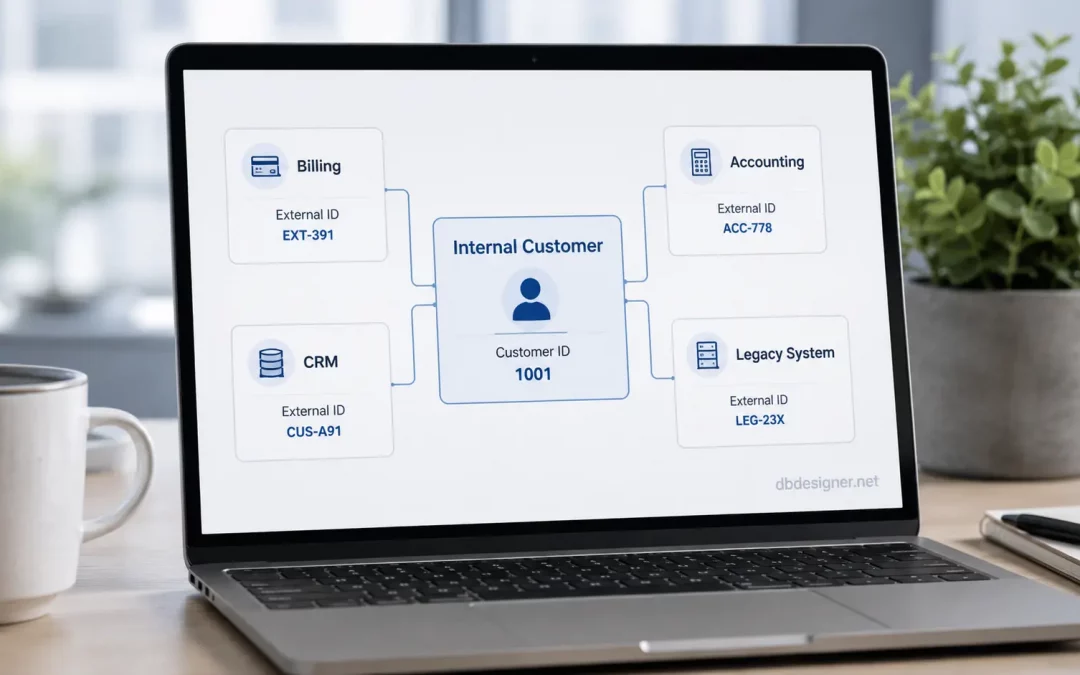
External IDs Are Not Your IDs: Modeling Identity Across Systems A backend team adds one column to the customer table: stripe_customer_id Six months later, another integration arrives: hubspot_contact_id Then the company migrates its support platform, imports customers...
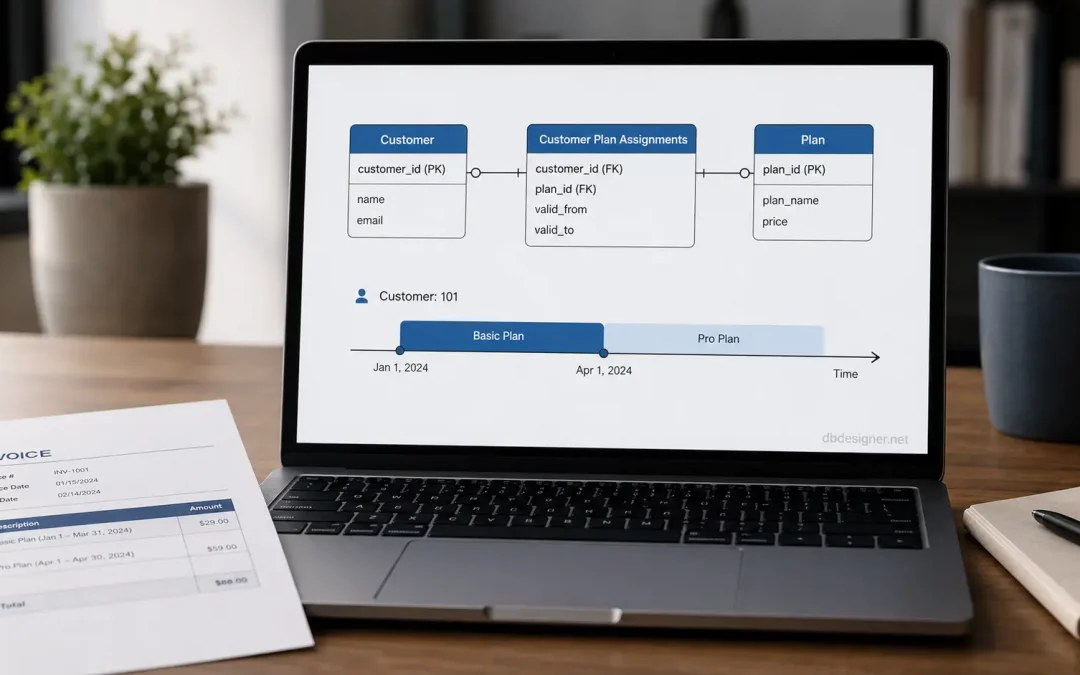
When “Current” Lies: How to Model Relationships That Change Over Time A support manager opens a customer record and sees that the account belongs to the Enterprise plan. Nothing looks wrong. Then finance asks a different question: “Which plan was this customer on when...
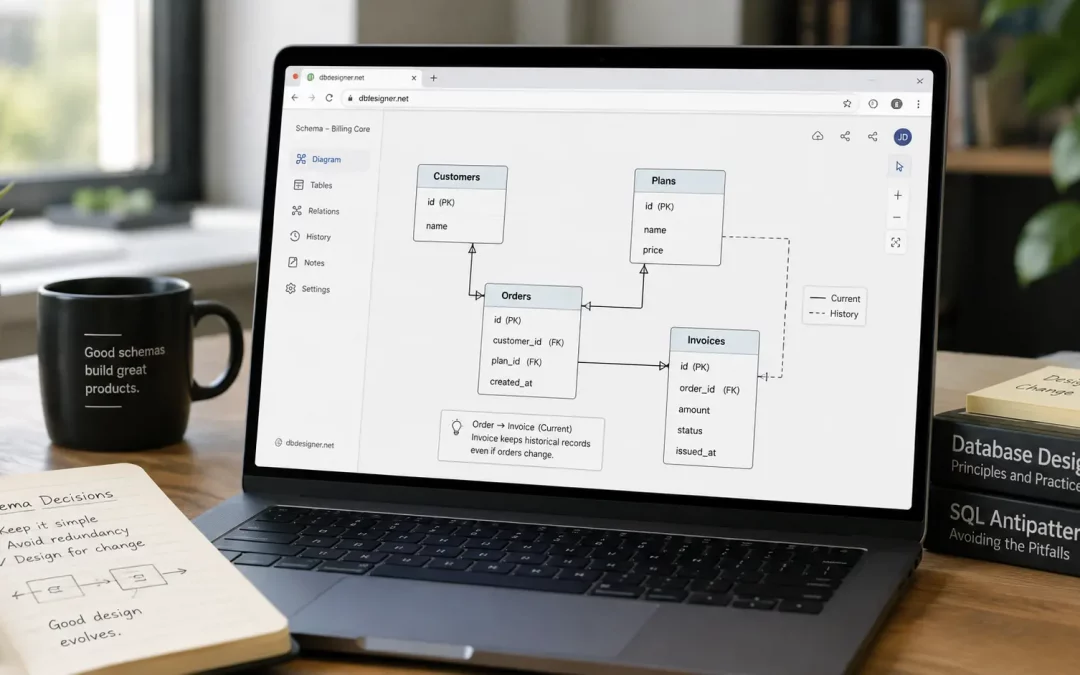
Your Schema Is Really a Theory of What Can Change A customer updates their company name. Should every invoice they have ever received change too? A product manager renames a subscription plan. Should last year’s revenue reports display the new name or the name...
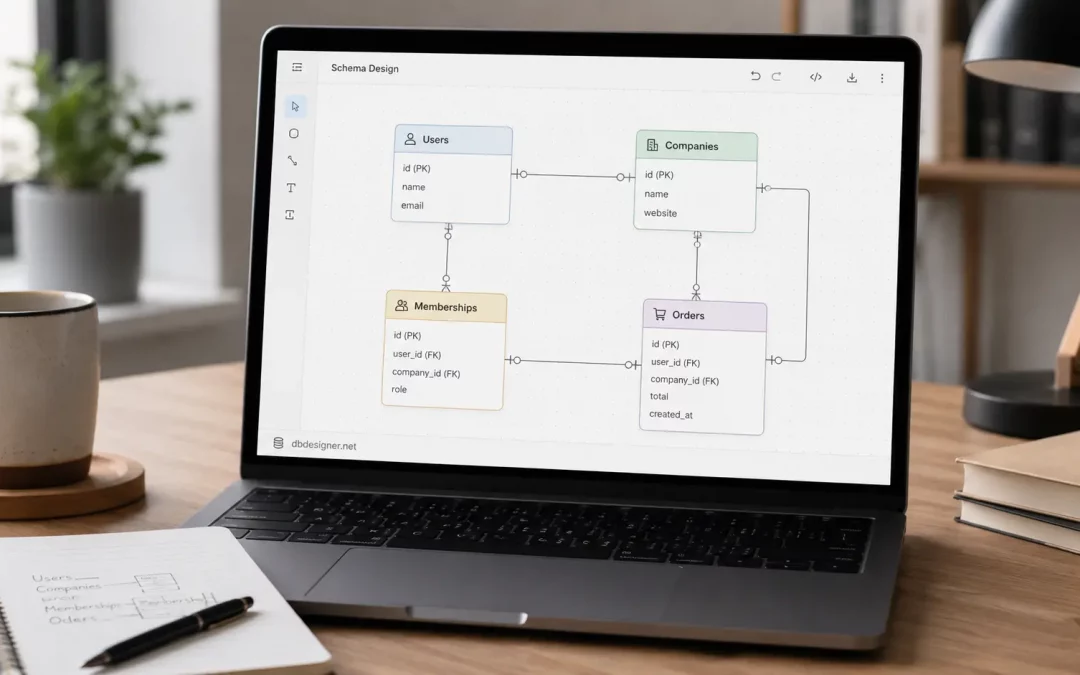
Your Database Is Quietly Deciding What Your Product Is Allowed to Become A schema rarely announces its biggest decisions. It does not display a warning that says, “This customer may only belong to one company,” or “An order can never change ownership,” or “We have...
Your Database Is Quietly Deciding What Your Product Is Allowed to Become A database rarely announces that it has made a product decision. It does not join planning meetings, challenge a feature request, or leave comments in a design file. Yet every schema contains...

Recent Comments