The Shape of Truth: How Database Design Quietly Defines Your Product Every database tells a story. Not the one you write in your documentation—but the one your application is forced to live with. Long before users click buttons or APIs return responses, database...
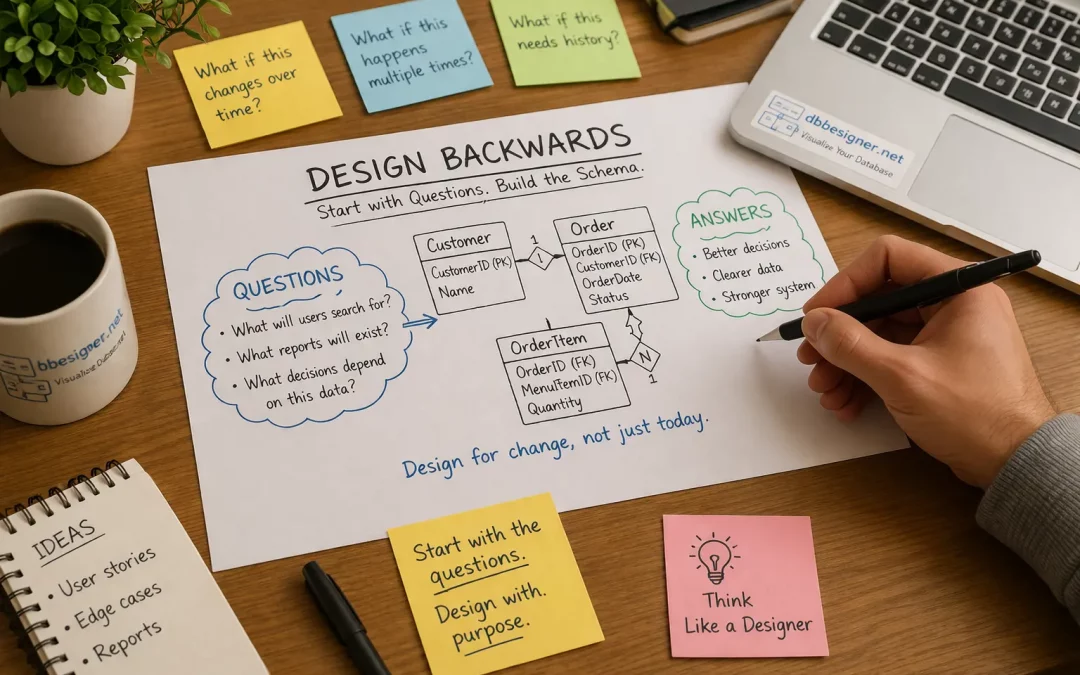
Designing a Database Backwards: A Smarter Way for Students to Learn Database Design Most students approach database design the same way: start with entities, draw some ER diagrams, and hope everything makes sense later. But real-world systems don’t break because you...
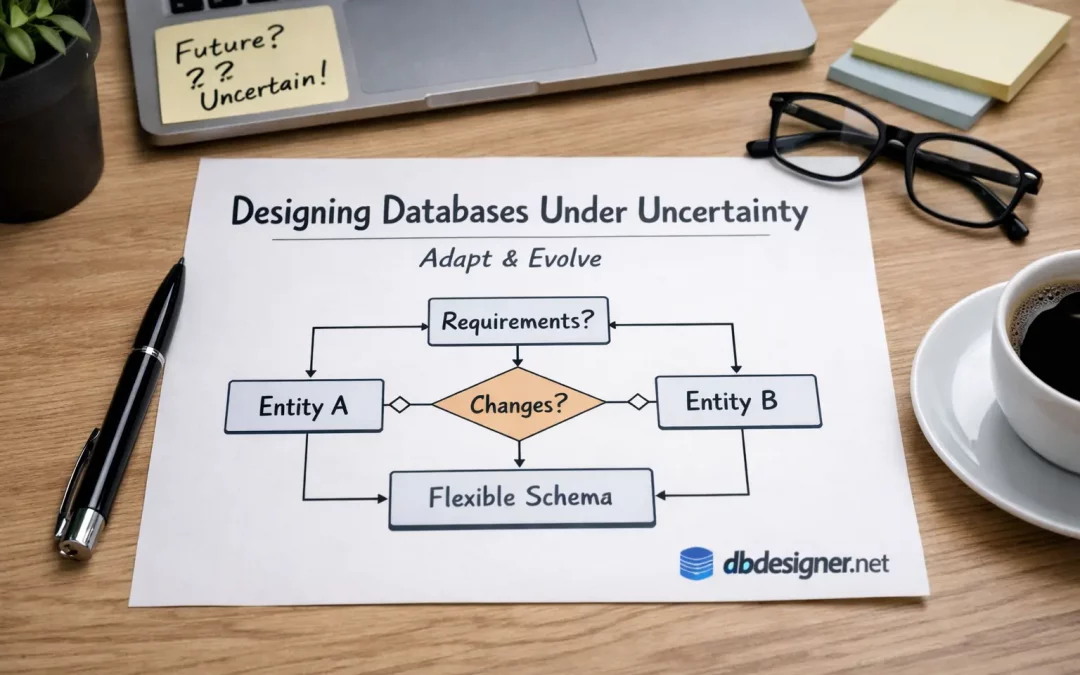
Designing a Database When the Rules Keep Changing: A Student’s Survival Skill You can usually spot a student-built database design from a mile away. Not because it’s “wrong” in a textbook way. But because it assumes the world will behave. It assumes: every customer...
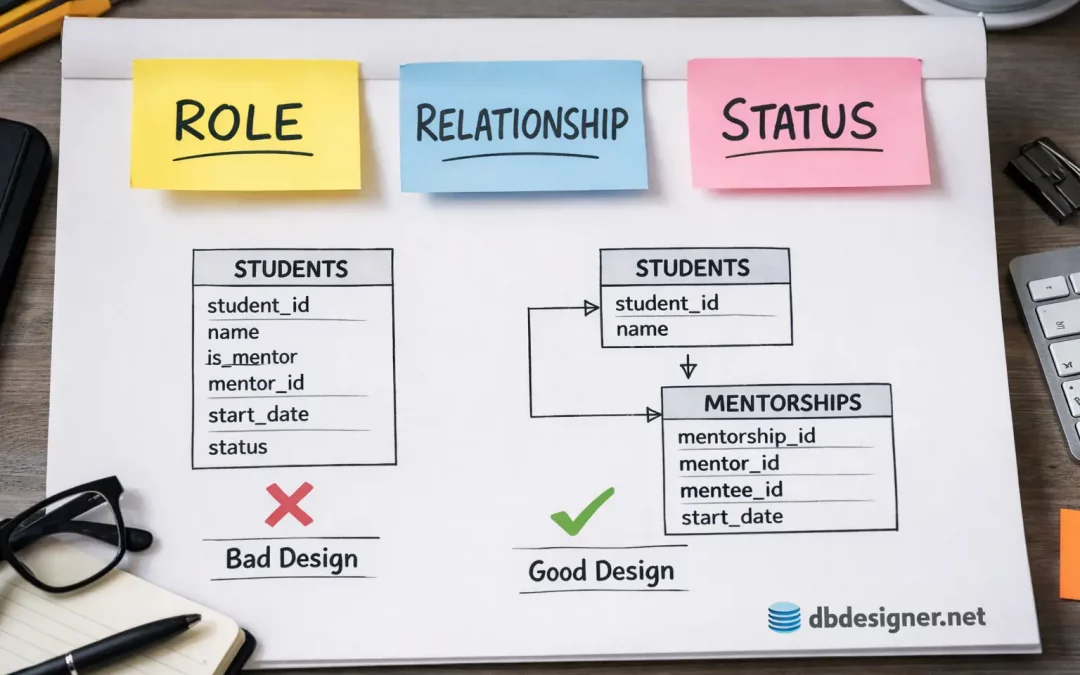
Role, Relationship, or Status? The Fastest Way Students Improve Database Design If you’ve ever stared at a problem statement and thought, “I can’t tell what the tables should be,” you’re not behind — you’re at the real starting line. Strong database design is the art...
The Moment Everything Breaks Almost every student has this moment: the database worked yesterday, the demo is today, and one small change suddenly breaks everything. This isn’t bad luck. It’s usually the result of early database design decisions that felt harmless at...
When Real Life Refuses to Fit Your Tables Students usually begin database design with confidence. The problem looks small, the entities feel obvious, and everything seems to fit neatly into tables. Then reality shows up — messy, inconsistent, and full of exceptions....



Recent Comments