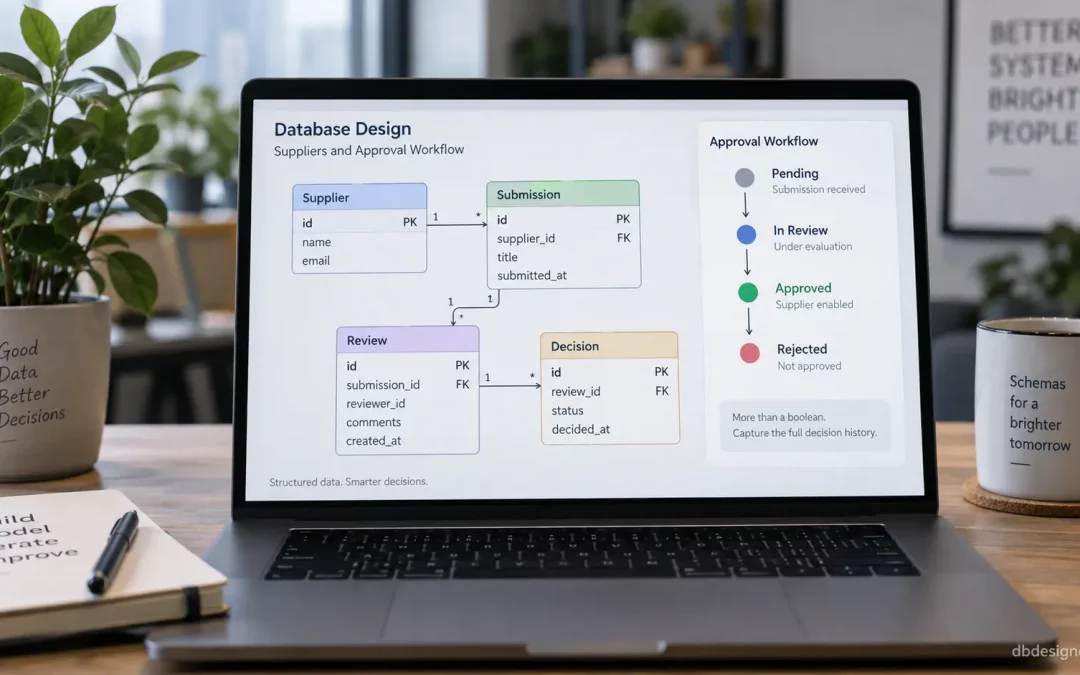
How to Model Approval Workflows in a Database Without Boolean Chaos A supplier application has been approved. Then its bank details change. Is the supplier still approved? The answer sounds like a business-policy question, but it quickly becomes a database design...
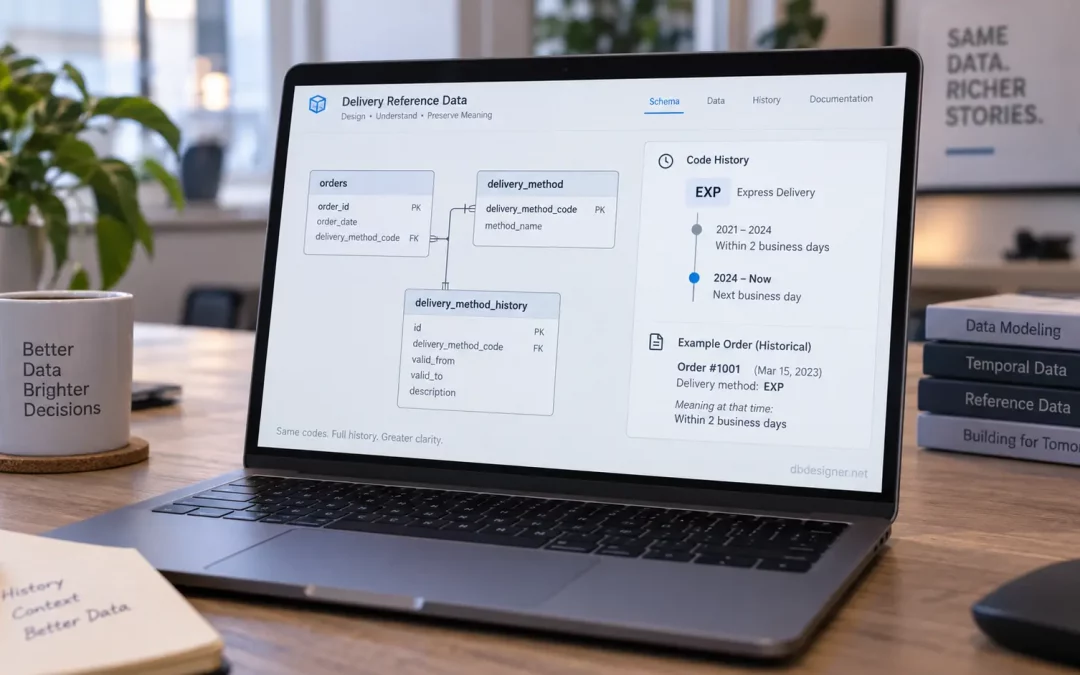
When Reference Data Changes: Designing Database Codes That Preserve History A shipping database contains an order from 2022 with the delivery method EXP. Today, EXP means “Express Delivery — next business day.” But in 2022, the same code meant “Express Delivery —...
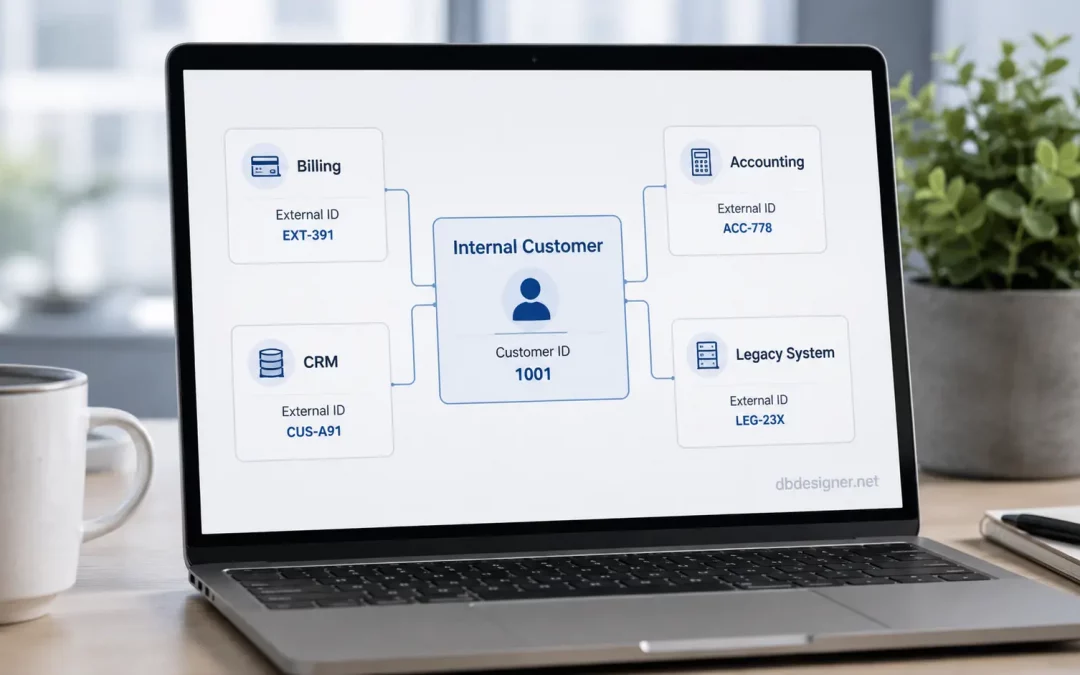
External IDs Are Not Your IDs: Modeling Identity Across Systems A backend team adds one column to the customer table: stripe_customer_id Six months later, another integration arrives: hubspot_contact_id Then the company migrates its support platform, imports customers...
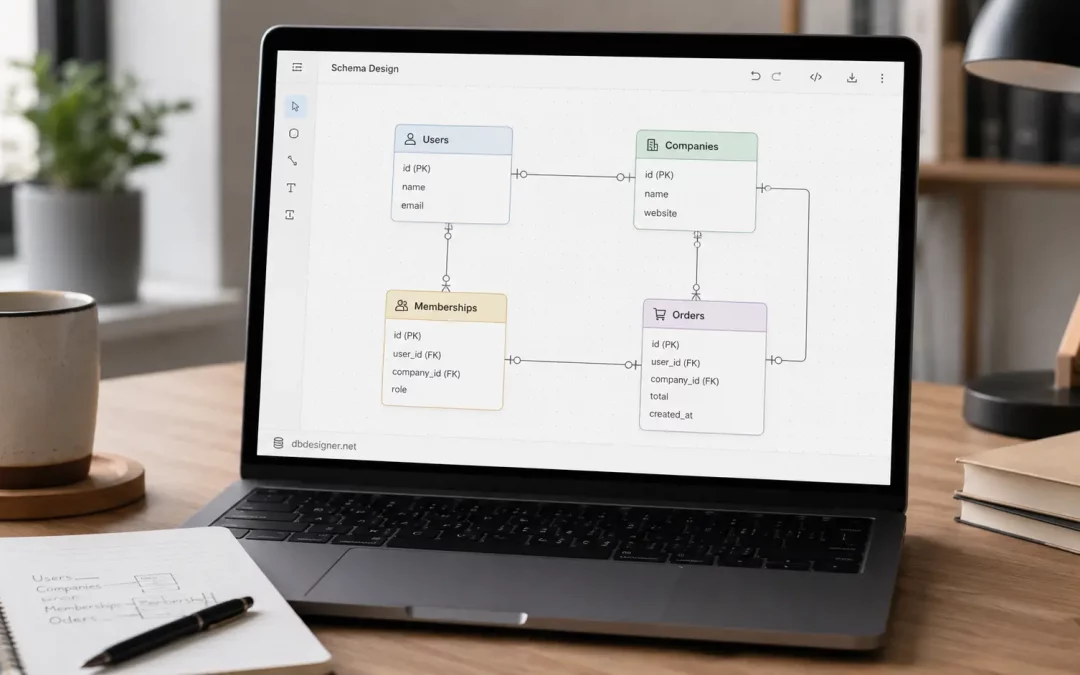
Your Database Is Quietly Deciding What Your Product Is Allowed to Become A schema rarely announces its biggest decisions. It does not display a warning that says, “This customer may only belong to one company,” or “An order can never change ownership,” or “We have...
The Schema Is Where Your Product Makes Its Promises A database does not merely store what your application has already decided. It decides what your application is allowed to believe. That sounds dramatic until a simple product feature turns into a week of awkward...


Recent Comments